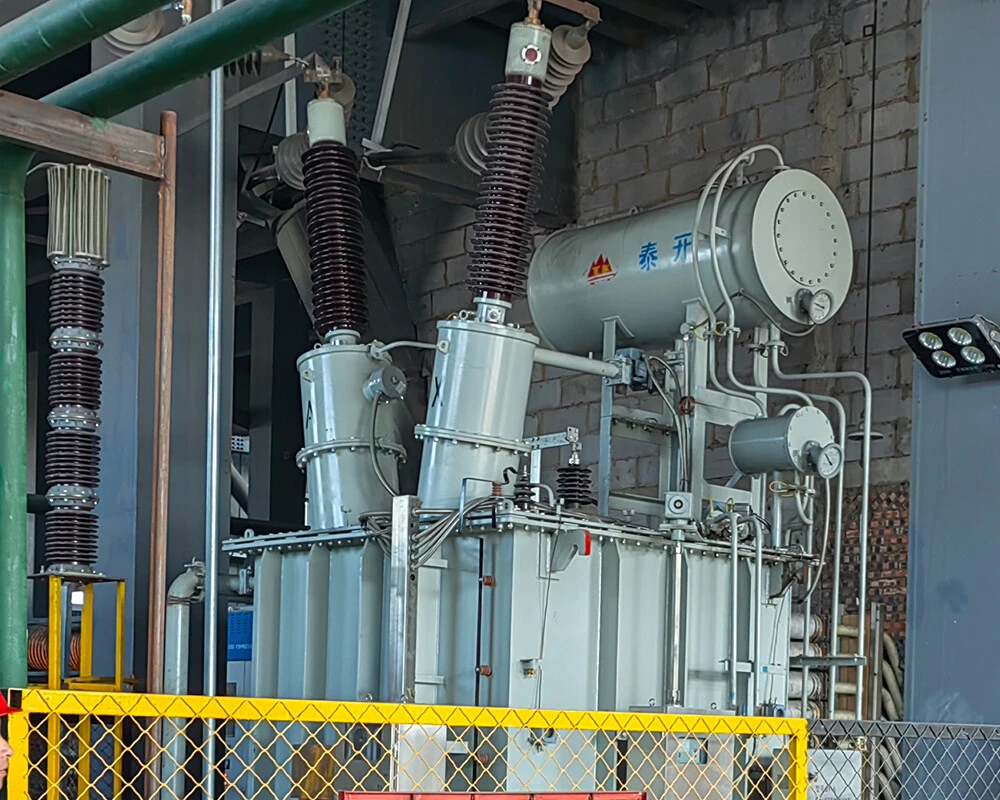
Furnace Transformer


In industrial settings where high power is required for heating and metal processing, a furnace transformer is an essential component. These specialized transformers are designed to supply the necessary electrical energy to furnaces, providing consistent and reliable power for melting, heating, and refining materials like metals, glass, and ceramics. Furnace transformers play a critical role in ensuring the efficiency, safety, and reliability of various furnace operations in industries such as steel production, foundries, and glass manufacturing.
A furnace transformer is built to handle extremely high power loads. Unlike standard transformers, which are typically used for residential or low-power applications, furnace transformers are engineered to meet the specific energy requirements of electric arc furnaces, induction furnaces, and other high-power heating systems. These transformers are capable of converting high-voltage AC power into the lower, more stable voltage levels required by furnaces, ensuring optimal performance throughout the heating process.
One of the primary benefits of using a furnace transformer is its ability to provide consistent and precise voltage control. In furnace operations, voltage stability is crucial for maintaining the desired temperature and ensuring uniform heating of materials. Furnace transformers are designed with advanced voltage regulation systems that can handle fluctuations in the electrical supply while delivering steady and reliable power to the furnace. This level of control helps improve the quality of the end product, whether it's molten metal or glass, and reduces the risk of inconsistencies in the manufacturing process.
Another key advantage of furnace transformers is their durability and resistance to high temperatures. These transformers are designed to withstand the harsh conditions found in furnace environments, where temperatures can reach thousands of degrees Celsius. The components are built with high-quality materials, including insulated copper windings and robust housings, to ensure longevity and prevent overheating. Additionally, many furnace transformers are equipped with cooling systems, such as oil or air cooling, to maintain optimal operating temperatures and extend the life of the transformer.
Furnace transformers are also highly efficient, providing significant energy savings in industrial operations. By converting high-voltage AC to the precise lower voltage needed for the furnace, these transformers minimize energy losses, ensuring that power is used effectively and reducing the overall operational costs. This is particularly important in industries where energy consumption is a major expense, as furnace transformers help optimize energy use and reduce waste.
In addition to their functional benefits, furnace transformers are designed with safety features that protect both the equipment and personnel. Overload protection, short-circuit prevention, and temperature monitoring systems are typically integrated into furnace transformers, ensuring that the system operates safely even under extreme conditions.
Key words:
Furnace Transformer
Classification:
Product Description
In industrial settings where high power is required for heating and metal processing, a furnace transformer is an essential component. These specialized transformers are designed to supply the necessary electrical energy to furnaces, providing consistent and reliable power for melting, heating, and refining materials like metals, glass, and ceramics. Furnace transformers play a critical role in ensuring the efficiency, safety, and reliability of various furnace operations in industries such as steel production, foundries, and glass manufacturing.
A furnace transformer is built to handle extremely high power loads. Unlike standard transformers, which are typically used for residential or low-power applications, furnace transformers are engineered to meet the specific energy requirements of electric arc furnaces, induction furnaces, and other high-power heating systems. These transformers are capable of converting high-voltage AC power into the lower, more stable voltage levels required by furnaces, ensuring optimal performance throughout the heating process.
One of the primary benefits of using a furnace transformer is its ability to provide consistent and precise voltage control. In furnace operations, voltage stability is crucial for maintaining the desired temperature and ensuring uniform heating of materials. Furnace transformers are designed with advanced voltage regulation systems that can handle fluctuations in the electrical supply while delivering steady and reliable power to the furnace. This level of control helps improve the quality of the end product, whether it's molten metal or glass, and reduces the risk of inconsistencies in the manufacturing process.
Another key advantage of furnace transformers is their durability and resistance to high temperatures. These transformers are designed to withstand the harsh conditions found in furnace environments, where temperatures can reach thousands of degrees Celsius. The components are built with high-quality materials, including insulated copper windings and robust housings, to ensure longevity and prevent overheating. Additionally, many furnace transformers are equipped with cooling systems, such as oil or air cooling, to maintain optimal operating temperatures and extend the life of the transformer.
Furnace transformers are also highly efficient, providing significant energy savings in industrial operations. By converting high-voltage AC to the precise lower voltage needed for the furnace, these transformers minimize energy losses, ensuring that power is used effectively and reducing the overall operational costs. This is particularly important in industries where energy consumption is a major expense, as furnace transformers help optimize energy use and reduce waste.
In addition to their functional benefits, furnace transformers are designed with safety features that protect both the equipment and personnel. Overload protection, short-circuit prevention, and temperature monitoring systems are typically integrated into furnace transformers, ensuring that the system operates safely even under extreme conditions.
- 产品描述
-
- Commodity name: Furnace Transformer
In industrial settings where high power is required for heating and metal processing, a furnace transformer is an essential component. These specialized transformers are designed to supply the necessary electrical energy to furnaces, providing consistent and reliable power for melting, heating, and refining materials like metals, glass, and ceramics. Furnace transformers play a critical role in ensuring the efficiency, safety, and reliability of various furnace operations in industries such as steel production, foundries, and glass manufacturing.
A furnace transformer is built to handle extremely high power loads. Unlike standard transformers, which are typically used for residential or low-power applications, furnace transformers are engineered to meet the specific energy requirements of electric arc furnaces, induction furnaces, and other high-power heating systems. These transformers are capable of converting high-voltage AC power into the lower, more stable voltage levels required by furnaces, ensuring optimal performance throughout the heating process.
One of the primary benefits of using a furnace transformer is its ability to provide consistent and precise voltage control. In furnace operations, voltage stability is crucial for maintaining the desired temperature and ensuring uniform heating of materials. Furnace transformers are designed with advanced voltage regulation systems that can handle fluctuations in the electrical supply while delivering steady and reliable power to the furnace. This level of control helps improve the quality of the end product, whether it's molten metal or glass, and reduces the risk of inconsistencies in the manufacturing process.
Another key advantage of furnace transformers is their durability and resistance to high temperatures. These transformers are designed to withstand the harsh conditions found in furnace environments, where temperatures can reach thousands of degrees Celsius. The components are built with high-quality materials, including insulated copper windings and robust housings, to ensure longevity and prevent overheating. Additionally, many furnace transformers are equipped with cooling systems, such as oil or air cooling, to maintain optimal operating temperatures and extend the life of the transformer.
Furnace transformers are also highly efficient, providing significant energy savings in industrial operations. By converting high-voltage AC to the precise lower voltage needed for the furnace, these transformers minimize energy losses, ensuring that power is used effectively and reducing the overall operational costs. This is particularly important in industries where energy consumption is a major expense, as furnace transformers help optimize energy use and reduce waste.
In addition to their functional benefits, furnace transformers are designed with safety features that protect both the equipment and personnel. Overload protection, short-circuit prevention, and temperature monitoring systems are typically integrated into furnace transformers, ensuring that the system operates safely even under extreme conditions.
Furnace Transformer
In industrial settings where high power is required for heating and metal processing, a furnace transformer is an essential component. These specialized transformers are designed to supply the necessary electrical energy to furnaces, providing consistent and reliable power for melting, heating, and refining materials like metals, glass, and ceramics. Furnace transformers play a critical role in ensuring the efficiency, safety, and reliability of various furnace operations in industries such as steel production, foundries, and glass manufacturing.
A furnace transformer is built to handle extremely high power loads. Unlike standard transformers, which are typically used for residential or low-power applications, furnace transformers are engineered to meet the specific energy requirements of electric arc furnaces, induction furnaces, and other high-power heating systems. These transformers are capable of converting high-voltage AC power into the lower, more stable voltage levels required by furnaces, ensuring optimal performance throughout the heating process.
One of the primary benefits of using a furnace transformer is its ability to provide consistent and precise voltage control. In furnace operations, voltage stability is crucial for maintaining the desired temperature and ensuring uniform heating of materials. Furnace transformers are designed with advanced voltage regulation systems that can handle fluctuations in the electrical supply while delivering steady and reliable power to the furnace. This level of control helps improve the quality of the end product, whether it's molten metal or glass, and reduces the risk of inconsistencies in the manufacturing process.
Another key advantage of furnace transformers is their durability and resistance to high temperatures. These transformers are designed to withstand the harsh conditions found in furnace environments, where temperatures can reach thousands of degrees Celsius. The components are built with high-quality materials, including insulated copper windings and robust housings, to ensure longevity and prevent overheating. Additionally, many furnace transformers are equipped with cooling systems, such as oil or air cooling, to maintain optimal operating temperatures and extend the life of the transformer.
Furnace transformers are also highly efficient, providing significant energy savings in industrial operations. By converting high-voltage AC to the precise lower voltage needed for the furnace, these transformers minimize energy losses, ensuring that power is used effectively and reducing the overall operational costs. This is particularly important in industries where energy consumption is a major expense, as furnace transformers help optimize energy use and reduce waste.
In addition to their functional benefits, furnace transformers are designed with safety features that protect both the equipment and personnel. Overload protection, short-circuit prevention, and temperature monitoring systems are typically integrated into furnace transformers, ensuring that the system operates safely even under extreme conditions.
Key words:
Furnace Transformer
Classification:
Product Description
In industrial settings where high power is required for heating and metal processing, a furnace transformer is an essential component. These specialized transformers are designed to supply the necessary electrical energy to furnaces, providing consistent and reliable power for melting, heating, and refining materials like metals, glass, and ceramics. Furnace transformers play a critical role in ensuring the efficiency, safety, and reliability of various furnace operations in industries such as steel production, foundries, and glass manufacturing.
A furnace transformer is built to handle extremely high power loads. Unlike standard transformers, which are typically used for residential or low-power applications, furnace transformers are engineered to meet the specific energy requirements of electric arc furnaces, induction furnaces, and other high-power heating systems. These transformers are capable of converting high-voltage AC power into the lower, more stable voltage levels required by furnaces, ensuring optimal performance throughout the heating process.
One of the primary benefits of using a furnace transformer is its ability to provide consistent and precise voltage control. In furnace operations, voltage stability is crucial for maintaining the desired temperature and ensuring uniform heating of materials. Furnace transformers are designed with advanced voltage regulation systems that can handle fluctuations in the electrical supply while delivering steady and reliable power to the furnace. This level of control helps improve the quality of the end product, whether it's molten metal or glass, and reduces the risk of inconsistencies in the manufacturing process.
Another key advantage of furnace transformers is their durability and resistance to high temperatures. These transformers are designed to withstand the harsh conditions found in furnace environments, where temperatures can reach thousands of degrees Celsius. The components are built with high-quality materials, including insulated copper windings and robust housings, to ensure longevity and prevent overheating. Additionally, many furnace transformers are equipped with cooling systems, such as oil or air cooling, to maintain optimal operating temperatures and extend the life of the transformer.
Furnace transformers are also highly efficient, providing significant energy savings in industrial operations. By converting high-voltage AC to the precise lower voltage needed for the furnace, these transformers minimize energy losses, ensuring that power is used effectively and reducing the overall operational costs. This is particularly important in industries where energy consumption is a major expense, as furnace transformers help optimize energy use and reduce waste.
In addition to their functional benefits, furnace transformers are designed with safety features that protect both the equipment and personnel. Overload protection, short-circuit prevention, and temperature monitoring systems are typically integrated into furnace transformers, ensuring that the system operates safely even under extreme conditions.
- 产品描述
-
- Commodity name: Furnace Transformer
In industrial settings where high power is required for heating and metal processing, a furnace transformer is an essential component. These specialized transformers are designed to supply the necessary electrical energy to furnaces, providing consistent and reliable power for melting, heating, and refining materials like metals, glass, and ceramics. Furnace transformers play a critical role in ensuring the efficiency, safety, and reliability of various furnace operations in industries such as steel production, foundries, and glass manufacturing.
A furnace transformer is built to handle extremely high power loads. Unlike standard transformers, which are typically used for residential or low-power applications, furnace transformers are engineered to meet the specific energy requirements of electric arc furnaces, induction furnaces, and other high-power heating systems. These transformers are capable of converting high-voltage AC power into the lower, more stable voltage levels required by furnaces, ensuring optimal performance throughout the heating process.
One of the primary benefits of using a furnace transformer is its ability to provide consistent and precise voltage control. In furnace operations, voltage stability is crucial for maintaining the desired temperature and ensuring uniform heating of materials. Furnace transformers are designed with advanced voltage regulation systems that can handle fluctuations in the electrical supply while delivering steady and reliable power to the furnace. This level of control helps improve the quality of the end product, whether it's molten metal or glass, and reduces the risk of inconsistencies in the manufacturing process.
Another key advantage of furnace transformers is their durability and resistance to high temperatures. These transformers are designed to withstand the harsh conditions found in furnace environments, where temperatures can reach thousands of degrees Celsius. The components are built with high-quality materials, including insulated copper windings and robust housings, to ensure longevity and prevent overheating. Additionally, many furnace transformers are equipped with cooling systems, such as oil or air cooling, to maintain optimal operating temperatures and extend the life of the transformer.
Furnace transformers are also highly efficient, providing significant energy savings in industrial operations. By converting high-voltage AC to the precise lower voltage needed for the furnace, these transformers minimize energy losses, ensuring that power is used effectively and reducing the overall operational costs. This is particularly important in industries where energy consumption is a major expense, as furnace transformers help optimize energy use and reduce waste.
In addition to their functional benefits, furnace transformers are designed with safety features that protect both the equipment and personnel. Overload protection, short-circuit prevention, and temperature monitoring systems are typically integrated into furnace transformers, ensuring that the system operates safely even under extreme conditions.
FAQ

undefined
If you are interested in the product, please contact us and we will arrange professional staff to serve you.
Related Products
Related Products
Inquire about product solutions now
If you are interested in our products, please submit your request immediately and we will arrange professional staff to serve you.

Shandong Taikai Mechanical and Electrical Equipment lmport and Export Co., Ltd.
Add:No.11526, Longtan Nan Road, Tai'an High-tech Industrial Development Zone
Service Hotline